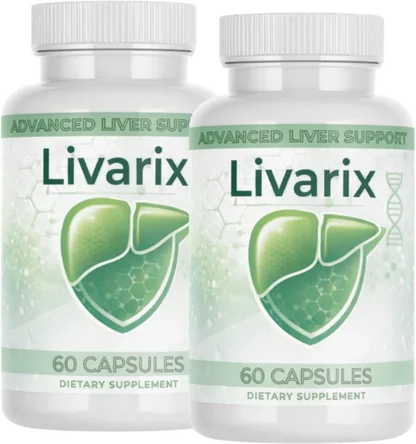
Livarix Capsules who should not take is a list with one firm entry and many "ask first" entries. The product is sold for adults 18 and over 12, so anyone younger should not take it. For a longer list of adults, public sources flag one or more of the eight listed ingredients, and the right step is a doctor or pharmacist before the first capsule.
This page is not a verdict on whether the product is right for you. It shows which situations sources flag, which listed ingredient is behind each one, and whom to ask. We are an independent information site, not the maker. We have not seen the back label, so check your bottle for printed warnings too.
Who should not take Livarix Capsules?
Anyone under 18 should not take it, and several groups of adults should ask a doctor first. That is the core of Livarix Capsules who should not take. Those groups come from what public sources say about the individual listed ingredients.
The seller's own sales page recommends showing the bottle to a doctor before use, especially if you take medication 1. That covers a large share of adult readers on its own. The groups below are the ones where a source names a specific concern.
- People who are pregnant or breastfeeding.
- People with gallstones or another gallbladder problem, including the bile duct blockage a clinical source names.
- People with a liver condition or abnormal liver tests.
- People allergic to the daisy or ragweed family.
- People with lupus or a hormone-sensitive cancer.
- People with a history of kidney stones.
- People taking any regular medicine, especially blood thinners, diabetes medicines or water pills.
Check your own situation
The quick checker below lets you tick the medicines and situations that apply to you. It shows which listed ingredients sources flag for each one and whom to ask.
Check-first screener
Tick the conditions and medicines that apply to you and see which listed ingredients sources flag, and whom to ask.
The checker is a starting point for a conversation, not a clearance. If nothing you tick is flagged, the seller's advice to show the bottle to a doctor still stands, and your bottle may print warnings we have not seen.
Livarix Capsules warnings at a glance
Each row below links a situation to the listed ingredient behind it. The details and citations are in the sections that follow.
| Who | Listed ingredient involved | What sources say | What to do |
|---|---|---|---|
| Under 18 | All | Sold for adults 18 and over | Do not take |
| Pregnant or breastfeeding | Turmeric, alfalfa; others little known | Turmeric may be unsafe in pregnancy; avoid alfalfa in pregnancy and nursing | Ask your doctor first |
| Gallstones or bile duct blockage | Artichoke, beet root | Contraindication for artichoke; caution for beet root | Ask your doctor first |
| Liver or gallbladder disease, abnormal liver tests | All, as a multi-ingredient mix | Supplements are a growing share of liver injury cases | Ask your doctor first |
| Daisy or ragweed family allergy | Milk thistle, artichoke, dandelion | Allergic reactions possible | Ask your doctor first |
| Lupus | Alfalfa | May trigger relapse; avoid | Ask your doctor first |
| Hormone-sensitive cancer | Alfalfa | Contains phytoestrogens | Ask your doctor first |
| History of kidney stones | Beet root | Oxalate content; caution | Ask your doctor first |
| Blood thinners, antiplatelets, diabetes medicines, water pills | Dandelion (theoretical) | Might interact | Ask your pharmacist first |
| Any regular medicine | Turmeric, milk thistle, ginger, all | Talk to a provider | Ask your pharmacist first |
"Ask first" means ask before the first capsule, not after a problem shows up. Bring the bottle so your doctor or pharmacist can see the full ingredient list and the lot number.
Pregnancy and breastfeeding
Ask your doctor before taking it if you are pregnant, trying to conceive or breastfeeding. Two listed ingredients carry clear cautions, and for the rest the sources say little is known.
NCCIH says turmeric supplements may be unsafe in pregnancy and that little is known about use while breastfeeding 2. Memorial Sloan Kettering advises avoiding alfalfa in pregnancy and while nursing because of its hormonal effects 3.
For artichoke leaf extract, safety data in pregnancy and breastfeeding are lacking and caution is warranted. For L-cysteine, there is not enough reliable information beyond food amounts 4. NCCIH says little is known about milk thistle, dandelion or ginger while breastfeeding. Unknown is not the same as fine, which is why this group should ask first.
Gallstones and the gallbladder
People with gallstones or a bile duct blockage should ask a doctor before taking it. A clinical overview of artichoke says allergy to daisy-family plants, bile duct obstruction and gallstones are contraindications 5.
Beet root adds a second reason. A study protocol registered on ClinicalTrials.gov for a concentrated beet root supplement says caution is warranted for people with a history of gallbladder problems or kidney stones, given beet root's oxalate content 6.
The formula lists 50 mg of artichoke extract and 200 mg of beet root powder, possibly twice over depending on the serving basis. Our gallbladder page covers this group in more depth.
Liver conditions and abnormal liver tests
Anyone with a diagnosed liver or gallbladder condition, or abnormal liver tests, should talk to their doctor before taking any supplement, including this one. That is the standard position, and the sales page itself says the formula does not claim to treat or cure disease.
NIH LiverTox reports that herbal and dietary supplements were implicated in about 10% of drug-induced liver injury cases in a U.S. research network, more recently more than 16%, and that the share appears to be rising 7. LiverTox also notes that multi-ingredient mixtures make it hard to tell which ingredient caused an injury.
See our pages on liver conditions and liver tests before you decide anything.
Daisy or ragweed family allergy
If you react to ragweed, daisies, chrysanthemums, marigolds or echinacea, ask a doctor first. Three listed ingredients come from or are linked to that plant family.
- Milk thistle: NCCIH says it may cause allergic reactions, especially in people allergic to the daisy (ragweed) family 8.
- Artichoke: the clinical overview lists allergy to Asteraceae (daisy family) plants as a contraindication.
- Dandelion: NCCIH says allergy is possible, with mixed evidence for people sensitive to ragweed-family plants 9.
No allergen statement has been seen for this product, so other allergens are unknown too. Read the panel on your bottle.
Lupus, hormone-sensitive cancer and kidney stones
People with lupus, a hormone-sensitive cancer or a history of kidney stones should ask first. Alfalfa is behind the first two, beet root behind the third.
Memorial Sloan Kettering says alfalfa contains L-canavanine, which caused lupus-like changes in monkeys, that alfalfa tablets may trigger lupus relapse, and that people with lupus should avoid it. The same source notes alfalfa's phytoestrogens, so people with hormone-sensitive cancers should ask their doctor first 3. The formula lists 20 mg of alfalfa leaf powder.
For kidney stones, NCCIH notes that juices made from high-oxalate foods such as beets may pose a threat to people prone to stones 10, in line with the beet root caution above.
What "ask first" looks like in practice
Asking first means a short, specific conversation before you open the bottle. It works best when you bring the bottle and a few direct questions.
- Show the bottle, including the back panel and the lot number on the base if it is printed there.
- Name the situation from this page that applies to you, such as gallstones, pregnancy or a blood thinner.
- Point to the listed ingredient behind it, for example alfalfa for lupus or beet root for kidney stones.
- Ask whether the serving size on your panel is per capsule or per two capsules, since that doubles or halves every amount.
- List every other supplement you take, so overlapping herbs can be counted.
The NIH Office of Dietary Supplements recommends telling your health care providers about all supplements you use 11. If the answer is "not for you", keep the bottle sealed and call the order desk at +1 (302) 200-3480 to ask what to do with an unopened order; our guarantee page sets out the refund wording.
A pharmacist is often the quickest person to reach for this. Any adult who is unsure where they fall on the Livarix Capsules who should not take list can start there.
Regular medicines
Anyone on a regular medicine should ask a pharmacist before starting. NCCIH says dandelion might, in theory, interact with diabetes medicines, blood thinners, antiplatelet drugs and water pills.
For turmeric, milk thistle and ginger, NCCIH's advice is to talk to a provider if you take any medicine. We have no source with drug-specific data for this formula. Over-the-counter medicines, such as pain medicines bought off the shelf, count as regular medicines for this purpose if you take them often, and so do other supplements. A written list is easier for a pharmacist to check than a memory of brand names. The full breakdown by medicine type is on our drug interactions page, and there is more on diabetes medicines on our page for people on diabetes medicines.
Frequently asked questions
What are the Livarix Capsules contraindications?
No official contraindication list has been seen for the product itself. Sources flag ingredients: artichoke for gallstones, bile duct blockage and daisy-family allergy; alfalfa for lupus, pregnancy and hormone-sensitive cancer; beet root for kidney stones. Ask your doctor if any apply.
Does the Livarix Capsules bottle print its own warnings?
We have not seen the back label, so we cannot say what warnings it prints. Read the back panel when your bottle arrives and follow any warning on it, even if it is not listed on this site.
Can I take Livarix Capsules if I have a ragweed allergy?
Ask your doctor first. Milk thistle, artichoke and dandelion are all flagged by sources for people allergic to the daisy or ragweed family, and no allergen statement for the product has been seen.
Should people with lupus ask before taking Livarix Capsules?
Yes. Memorial Sloan Kettering says alfalfa tablets may trigger lupus relapse and that people with lupus should avoid alfalfa. The formula lists 20 mg of alfalfa leaf powder, so talk to your doctor first.
Can Livarix Capsules be taken while breastfeeding?
Ask your doctor first. Memorial Sloan Kettering advises avoiding alfalfa while nursing, and NCCIH says little is known about turmeric, milk thistle, dandelion or ginger during breastfeeding.
Sources for this page
- Livarix seller sales page with ingredient list, kits, prices and guarantee wording, read on Nov 25, 2026
- NCCIH: Turmeric: Usefulness and Safety
- Memorial Sloan Kettering Cancer Center, About Herbs: Alfalfa
- WebMD (Natural Medicines): L-Cysteine overview, side effects and safety
- Drugs.com natural products: Artichoke (clinical overview)
- ClinicalTrials.gov protocol NCT02058849: adverse-event list for concentrated beet root
- NIH LiverTox: Herbal and Dietary Supplements
- NCCIH: Milk Thistle: Usefulness and Safety
- NCCIH: Dandelion: Usefulness and Safety
- NCCIH: "Detoxes" and "Cleanses": What You Need To Know
- NIH Office of Dietary Supplements: Dietary Supplements: What You Need to Know
- Livarix owner pack (contacts, returns, refund steps, product summary)
Label words come from photos of the Livarix bottle front. Ingredient amounts come from the seller sales page and owner pack; prices and guarantee wording from the sales page as read on Nov 25, 2026. Confirm them on your bottle and at checkout. Where sources differ, the printed label wins.