Livarix Capsules diabetes questions have a clear starting point: Livarix Capsules is a dietary supplement, not a diabetes medicine, and we make no claim that it changes blood sugar, glucose or insulin in any way. It is not intended to diagnose, treat, cure or prevent diabetes or any other disease.
This page is for people who live with diabetes or prediabetes, or who take medicine for it, and who have seen Livarix advertised. It sets out what public sources say about each listed ingredient, flags the one interaction concern the sources name, and explains why your prescriber needs to see the bottle before your first capsule. Nothing here is a reason to change a medicine or skip a check.
Is Livarix Capsules for diabetes?
No. Livarix Capsules is not sold, labeled or studied as a product for diabetes, and the sales page says the formula does not claim to treat or cure disease 1.
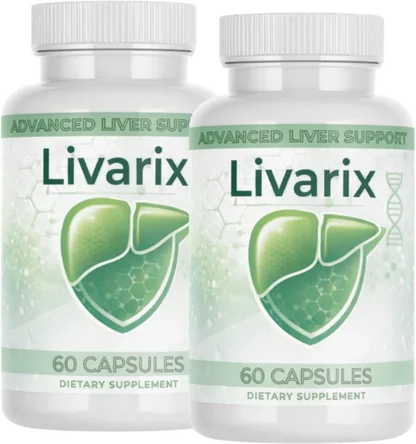
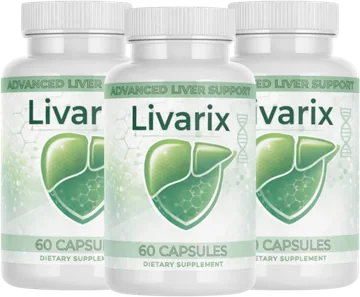
The bottle front prints "Advanced Liver Support", the name, "60 CAPSULES" and "DIETARY SUPPLEMENT" 2. It does not mention diabetes. FDA does not approve dietary supplements before they are sold, and the maker is responsible for its own label 3.
Livarix Capsules diabetes questions should never lead to a change in treatment on your own. If you take medicine for diabetes, do not stop it, lower it or space it out because of any supplement. Changes to a diabetes plan belong with the doctor, nurse or pharmacist who set it.
What does the seller say that touches on blood sugar?
The seller's wording is general rather than specific. The sales page markets the formula for liver function, "detoxification", bile flow and "metabolic balance", which are the seller's words and not claims we repeat.
The sales page also shows testimonials, and some describe weight loss or changes in test numbers. They are anecdotes we could not check, so we do not repeat them. One person's story cannot tell you what caused a change, and many things affect blood sugar readings from week to week.
The FTC says health claims in ads need competent and reliable scientific evidence 4. If an ad for Livarix Capsules blood sugar effects shows no study of this formula, treat it as marketing. Our guide to reading reviews explains why stories are not evidence.
What do sources say about each listed ingredient and blood sugar?
Only one listed ingredient, milk thistle, has blood sugar studies the sources mention, and they are small and mostly from one region. Dandelion carries the only diabetes medicine interaction flag.
| Ingredient (listed amount) | What the source says about diabetes | Medicine flag |
|---|---|---|
| Milk thistle powder (50 mg) | A few studies suggest extracts may help blood sugar control in type 2 diabetes, mostly from one region 5 | Ask a provider if you take medicine |
| Dandelion leaf powder (100 mg) | No compelling evidence for any health condition 6 | Might theoretically interact with diabetes medicines |
| Alfalfa leaf powder (20 mg) | Diabetes is a claimed use, but there are no human diabetes studies 7 | Ask first with lupus or hormone-sensitive cancer |
| Turmeric root powder (300 mg) | Not enough evidence for any health purpose 8 | Talk to a provider if you take medicine |
| Ginger root powder (50 mg) | Studied mainly for nausea | Talk to a provider if you take medicine |
| Artichoke (50 mg), beet root (200 mg), L-cysteine HCl (10 mg) | Not addressed for diabetes in the sources we use | Not addressed; ask anyway |
Amounts are as the seller lists them, with the serving basis not stated, so the real daily amount could be the figure shown or twice it. See our Supplement Facts page.
How strong are the milk thistle blood sugar studies?
Not strong. NCCIH says a few studies suggest milk thistle extracts may help blood sugar control in people with type 2 diabetes, and that most of them come from one region 5.
Three gaps separate those studies from this bottle:
- The studies used extracts; Livarix Capsules lists milk thistle as a powder with no silymarin percentage.
- The listed amount is 50 mg, and whether that is per capsule or per two capsules is not stated.
- NCCIH notes that milk thistle product quality varies, with silymarin amounts that differ from the label.
So the milk thistle studies say nothing about what this formula does. They are a reason to tell your prescriber, not a reason to expect a change. Our milk thistle page covers the liver trials too.
Why does the dandelion interaction flag matter?
NCCIH says dandelion might theoretically interact with diabetes medicines, blood thinners, antiplatelet drugs and water pills 6. "Theoretically" means the concern is based on how the plant might act, not on reported cases.
A theoretical flag still matters when the medicine involved needs careful dosing. Your prescriber or pharmacist can judge whether 100 mg of dandelion leaf powder, possibly 200 mg a day if the amounts are per capsule, is worth a question for your particular medicines.
The same flag also covers blood thinners and water pills, so one herb can touch more than one prescription. That is why we suggest showing the bottle at the pharmacy counter. Our medicines page lists every interaction the sources flag, ingredient by ingredient.
What does MSK say about alfalfa and diabetes?
MSK says alfalfa is promoted for diabetes, high cholesterol and digestive complaints, but there are no human diabetes studies 7. Two small trials found cholesterol reductions; MSK found no support for digestive or diuretic uses.
MSK's cautions are more pressing than the claims. Alfalfa contains L-canavanine, which caused lupus-like changes in monkeys, and alfalfa tablets may trigger lupus relapse, so people with lupus should avoid it. It also contains phytoestrogens, so people with hormone-sensitive cancers should ask first, and MSK advises avoiding it in pregnancy and nursing.
Livarix Capsules lists 20 mg of alfalfa leaf powder, the second-smallest amount on the list. Small does not mean irrelevant for those groups. See our alfalfa page.
What should you do if you decide to ask about it?
Start with your prescriber, and keep your usual checks going exactly as your care team set them. These steps keep the decision with the people who manage your diabetes.
- Show the bottle to your doctor or pharmacist before the first capsule, as the sales page itself suggests.
- List every medicine, including insulin, other glucose-lowering drugs, blood thinners and water pills, as your doctor will ask.
- Keep checking your glucose on the schedule your doctor gave you; do not test less because you started a supplement.
- Write down the start date so any change can be discussed against it.
- Call your doctor about readings outside your usual range, whatever you think caused them.
NIH's Office of Dietary Supplements advises telling every provider about every supplement you use 9.
What is still unknown about the bottle?
Several details that matter to people with diabetes are not stated anywhere we have seen. A Livarix Capsules diabetes decision therefore starts with reading your own bottle.
- Serving basis: the listed amounts total 780 mg, which could be per two-capsule serving (about 390 mg a capsule) or per capsule (1,560 mg a day at two capsules).
- Other ingredients: capsule shell, fillers and flow agents are not listed.
- Allergen statement: not seen.
- Maximum daily amount and missed-dose advice: not stated.
FDA's labeling guide says a Supplement Facts panel must show the serving size, servings per container, the amount per serving and the other ingredients 10. If your bottle shows those, your pharmacist can work from it. If it does not, ask the order desk before you start.
No Livarix Capsules glucose claim we have seen comes with a study of this formula, so the panel, not the ad, is the document to bring.
Is there a link between diabetes and fatty liver?
Yes, according to NIDDK: type 2 diabetes is one of the things that raises the risk of fatty liver, along with obesity and metabolic syndrome 11. That is one reason liver-themed ads may reach people with diabetes.
NIDDK says weight loss is the main recommendation for fatty liver, and its page does not mention supplements. If your doctor has raised both issues, the plan they give you is the one to follow. Our liver conditions page looks at what sources say about Livarix Capsules ingredients and liver disease.
Frequently asked questions
Can Livarix Capsules lower my blood sugar?
We make no such claim, and we found no study of the finished formula in anyone. NCCIH mentions a few small milk thistle extract studies in type 2 diabetes, mostly from one region, but those used extracts, not the plain powder listed here. Keep your diabetes plan as your doctor set it.
Who should check Livarix Capsules against my insulin or diabetes pills?
Only your prescriber or pharmacist can answer that for you. NCCIH says dandelion, one of the listed ingredients, might theoretically interact with diabetes medicines. Bring the bottle so they can read the full panel before you start.
Do I need to check my glucose more often while taking Livarix Capsules?
Ask your doctor; do not set your own schedule. At minimum, keep testing as your care team told you and report any readings outside your usual range. Write down the date you started so the doctor can compare.
Does Livarix Capsules contain sugar or starch fillers?
We cannot say. The other ingredients, such as the capsule shell, fillers and flow agents, are not listed anywhere we have seen. Check the Supplement Facts panel and other ingredients line on your bottle, or ask the order desk.
Should someone with type 1 diabetes take Livarix Capsules?
That decision belongs with your diabetes team. The sources we use do not address these ingredients in type 1 diabetes, and the dandelion interaction flag applies to diabetes medicines in general, including insulin. Ask before starting.
Can Livarix Capsules stand in for diet and activity advice from my diabetes team?
No. A supplement is not a substitute for the eating, activity and medicine plan your care team sets. NIDDK's advice for fatty liver, a condition type 2 diabetes makes more likely, centers on weight loss and a healthy diet, and its page does not mention supplements. Raise the bottle at your next visit instead.
Sources for this page
- Livarix seller sales page with ingredient list, kits, prices and guarantee wording, read on Nov 25, 2026
- Livarix bottle front label (product photos in the owner pack)
- FDA: Questions and Answers on Dietary Supplements
- FTC: Health Products Compliance Guidance
- NCCIH: Milk Thistle: Usefulness and Safety
- NCCIH: Dandelion: Usefulness and Safety
- Memorial Sloan Kettering Cancer Center, About Herbs: Alfalfa
- NCCIH: Turmeric: Usefulness and Safety
- NIH Office of Dietary Supplements: Dietary Supplements: What You Need to Know
- FDA: Dietary Supplement Labeling Guide (Supplement Facts panel, serving size, ingredient listing)
- NIDDK: Nonalcoholic Fatty Liver Disease (NAFLD) and NASH
Label words come from photos of the Livarix bottle front. Ingredient amounts come from the seller sales page and owner pack; prices and guarantee wording from the sales page as read on Nov 25, 2026. Confirm them on your bottle and at checkout. Where sources differ, the printed label wins.