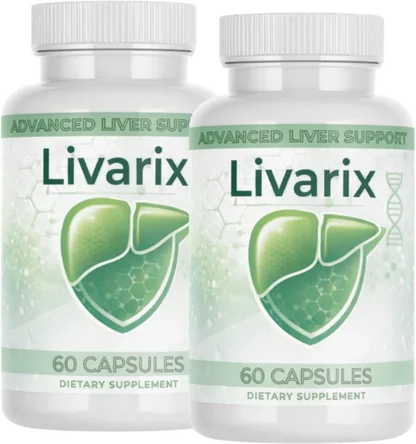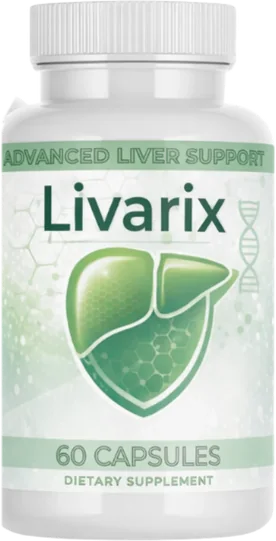
Livarix Capsules milk thistle is a 50 mg line of milk thistle powder, one of three ingredients tied for fourth place in the seller's list of eight 3. No silymarin percentage is given, so the listing tells you the weight of the powder and nothing about its strength.
The seller's sales page singles out milk thistle for the liver, which is exactly why the public evidence deserves a careful read. This page covers what NCCIH reports from human trials, the blood sugar studies, side effects and allergy, quality concerns, and who should ask a doctor first. It makes no claim about what the capsules do.
How much milk thistle is in Livarix Capsules?
The seller lists 50 mg of milk thistle powder. That ties it with artichoke extract and ginger, below turmeric, beet root and dandelion.
As with every line in this formula, the serving basis is not stated. If the amounts are per two-capsule serving, each capsule holds 25 mg and a day's intake is 50 mg. If they are per capsule, a day's intake at two capsules is 100 mg.
The seller list and the owner pack agree on the 50 mg figure, but the owner pack says the printed panel on your bottle wins 1. See what the panel should show for how to read the serving size.
Livarix Capsules silymarin: is it listed?
No silymarin amount or percentage is listed. The ingredient is described only as milk thistle powder.
Silymarin is the part of milk thistle that NCCIH's quality warning and its two funded trials refer to; those trials tested silymarin itself. Without a percentage, milk thistle 50 mg could hold very different amounts of it, and there is no way to tell from the list.
NCCIH adds a wider warning: milk thistle products vary in quality, with silymarin amounts that differ from the label and reports of contamination 2. That is a general finding about the market, not about this product, but it is a good reason to ask for a certificate of analysis for your lot.
What does NCCIH say about milk thistle and liver conditions?
NCCIH says the evidence for milk thistle in liver conditions is inconclusive. Trials had conflicting results or were too limited to draw conclusions.
| Area studied | What NCCIH reports |
|---|---|
| Alcohol-related liver disease | Conflicting or too limited |
| Hepatitis B and C | Conflicting or too limited; an NCCIH-funded hepatitis C study found no benefit from silymarin |
| Fatty liver disease | Conflicting or too limited; an NCCIH-funded study in a progressive form found no benefit from silymarin |
| Toxin-related liver damage | Conflicting or too limited |
Those findings are from NCCIH's milk thistle page 2. They concern milk thistle or silymarin studied on their own, usually in people with a diagnosis, not a small amount of powder in a mixed formula.
How does the sales page wording compare?
The sales page credits milk thistle's silymarin with a protective role for the liver. NCCIH's summary of human trials is much more cautious.
The seller also says the formula is "designed to support" liver function and does not claim to treat disease 3. We do not repeat the protective wording as fact. What can be said with sources is that the best-known trials found no benefit and the rest are inconclusive.
For the seller wording to carry weight, you would want to see human studies of this formula, or at least of milk thistle at a stated silymarin amount close to what the capsules hold. Neither exists in anything we have been given. Until that changes, the fair reading is that milk thistle has a prominent place in seller copy, a mixed research record and, in this product, an unknown strength.
Health claims in ads need competent and reliable scientific evidence under FTC guidance 4. Our label claims page looks at the front-label line, and our evidence page looks at the formula as a whole.
What about the blood sugar studies?
NCCIH mentions a few studies suggesting milk thistle extracts may help blood sugar control in type 2 diabetes. Most of them come from one region of the world.
Three limits apply here. The studies used extracts, while Livarix lists powder. They were in people with type 2 diabetes, not in healthy adults. And a few studies from one region are not a settled finding.
If you take diabetes medicines, do not read anything into this for yourself. Talk to your doctor before starting any supplement, and see our blood sugar page, which explains why this site makes no blood sugar claim.
What side effects does NCCIH list?
NCCIH says milk thistle appears to be well tolerated by mouth. The most common side effects it lists are digestive.
- Bloating
- Nausea
- Gas
- Allergic reactions, especially in people allergic to the daisy (ragweed) family
Well tolerated in studies is not the same as right for you. These notes describe milk thistle in general; for the whole formula, our side effects page lists what sources say about each ingredient.
Why the daisy family allergy matters twice
Milk thistle is not the only daisy-family flag in this formula. Artichoke is also in that plant family, and dandelion has mixed allergy evidence for ragweed-sensitive people.
A drug reference lists allergy to Asteraceae (daisy family) plants such as daisy, chrysanthemum, marigold, echinacea and ragweed as a reason to avoid artichoke 5. NCCIH notes possible dandelion allergy with mixed evidence 6.
If you react to ragweed pollen or any of those plants, talk to a doctor or allergist before taking a product that lists all three. See the artichoke page for its other cautions.
Who should ask before taking milk thistle 50 mg?
Anyone on regular medicines, anyone pregnant or breastfeeding, and anyone with a liver condition should ask first. NCCIH says to ask a provider if you take medicine and that little is known in pregnancy or breastfeeding.
- People with daisy or ragweed family allergy.
- People with hepatitis, fatty liver, cirrhosis or abnormal liver tests: the herb's reputation is no substitute for a doctor's plan.
- People taking diabetes medicines, given the blood sugar studies.
- Anyone who already takes another milk thistle product.
Pregnancy deserves its own note. NCCIH says little is known about milk thistle in pregnancy or breastfeeding, and the same formula lists alfalfa, which MSK advises avoiding in pregnancy and nursing 7. Bring the bottle to your prenatal provider rather than deciding alone.
Our liver conditions page explains why this site never suggests the capsules for a diagnosed condition.
Why does product quality matter so much here?
Because the label amount and the real contents can differ, and milk thistle is one herb where NCCIH says that has been found. A listed weight is only as good as the testing behind it.
NIH LiverTox reports contamination, unlabeled ingredients and mislabeling across herbal and dietary supplements in general 8. MedlinePlus notes that herbal products are not tested the way medicines are, and that labels may not list correct amounts 9. The FDA does not approve supplements before sale; makers are responsible for what is in the bottle 10.
None of this says anything specific about Livarix Capsules. It explains why a lot number, a certificate of analysis and a printed panel are worth more than any marketing description of the herb.
How does milk thistle fit into the rest of the formula?
Milk thistle is a small share of the listed formula: 50 mg out of 780 mg, about 6% by our arithmetic. Turmeric and beet root together account for 500 mg.
That proportion matters when you read seller copy. A product page can lead with the best-known liver herb while the bulk of the capsule is something else. Here, by listed weight, Livarix Capsules milk thistle sits alongside ginger and artichoke as a supporting line, not the main ingredient.
It also means effects people notice, good or bad, are hard to pin on milk thistle alone. LiverTox makes the same point about multi-ingredient mixtures and liver injury reports. Our full ingredient table shows every line next to the sources for it.
What to ask about the milk thistle in your bottle
Ask the order desk two things: the serving basis and the silymarin content for your lot. Those are the two numbers the listing leaves out.
Call +1 (302) 200-3480 with your order ID and the lot number from the bottle base, if it shows one. The owner pack uses LV-913-26-LI as an example certificate of analysis reference 1. If the certificate for your lot does not report silymarin, note that too and ask whether a figure exists.
Keep the answers with your order email. If you later talk to a doctor or pharmacist about milk thistle, a lot-specific figure is far more useful than the 50 mg weight on the seller list.
Frequently asked questions
Can I get the silymarin figure for my Livarix Capsules lot?
You can ask. No silymarin amount is listed, so call the order desk with your order ID and lot number and ask whether the certificate of analysis for that lot reports silymarin.
Is the milk thistle in Livarix Capsules a powder or an extract?
The seller list describes it as milk thistle powder, not an extract. The only extract in the formula is artichoke.
Has milk thistle in Livarix Capsules been tested in trials?
No trial of Livarix Capsules is known to us. NCCIH reports that milk thistle trials for liver conditions were conflicting or too limited, and two NCCIH-funded silymarin studies found no benefit.
Can Livarix Capsules milk thistle cause allergy?
NCCIH says milk thistle may cause allergic reactions, especially in people allergic to the daisy (ragweed) family. The formula also lists artichoke from the same family, so ask a doctor first if you have that allergy.
Should I take Livarix Capsules milk thistle with diabetes medicine?
Talk to your doctor first. A few studies, mostly from one region, looked at milk thistle extracts and blood sugar, and NCCIH advises asking a provider if you take any medicine.
Sources for this page
- Livarix owner pack (contacts, returns, refund steps, product summary)
- NCCIH: Milk Thistle: Usefulness and Safety
- Livarix seller sales page with ingredient list, kits, prices and guarantee wording, read on Nov 25, 2026
- FTC: Health Products Compliance Guidance
- Drugs.com natural products: Artichoke (clinical overview)
- NCCIH: Dandelion: Usefulness and Safety
- Memorial Sloan Kettering Cancer Center, About Herbs: Alfalfa
- NIH LiverTox: Herbal and Dietary Supplements
- MedlinePlus: A guide to herbal remedies
- FDA: Questions and Answers on Dietary Supplements
Label words come from photos of the Livarix bottle front. Ingredient amounts come from the seller sales page and owner pack; prices and guarantee wording from the sales page as read on Nov 25, 2026. Confirm them on your bottle and at checkout. Where sources differ, the printed label wins.