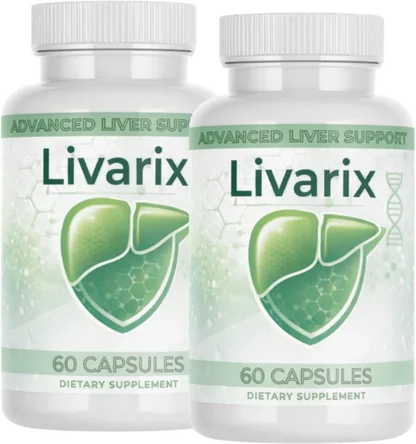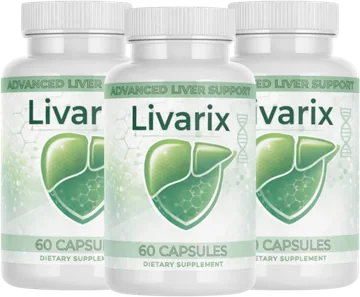
Livarix Capsules drug interactions have not been studied for the product itself in any source we hold, but public health sources do flag several of its eight listed herbs for people on medicines. Dandelion is the one with named medicine types, and NCCIH advises anyone on medicine to talk to a provider before taking turmeric, milk thistle or ginger.
The seller's own sales page recommends showing the bottle to a doctor before use, especially if you take medication 11. This page sorts what sources say by medicine type, so you know what to raise with your pharmacist. We are an independent information site, not the maker, and we cannot clear any combination for you.
Does Livarix Capsules interact with medicines?
No interaction data exists for this formula in any source we have seen. What exists is ingredient-level guidance, and it is enough to make a pharmacist check worthwhile for anyone on a regular medicine.
The concerns fall into two groups. Dandelion has specific medicine types that NCCIH says it might, in theory, interact with 1. Turmeric, milk thistle and ginger come with a general NCCIH instruction to talk to a provider if you take any medicine. For the other four listed ingredients, our sources give no medicine-specific guidance, which is not the same as no interaction.
If you take nothing regularly, the seller's advice to show the bottle to a doctor still applies. Our who should not take it page covers conditions as well as medicines.
It also helps to ask that the supplement be added to your medicine record at the pharmacy and at your doctor's office. That way any future prescription can be checked against it, even by someone who has never seen the bottle.
Livarix Capsules interactions at a glance
The table sorts what sources say by type of medicine. "In theory" means a possible interaction described by the source, not one observed with this product.
| Medicine type | Listed ingredient flagged | What sources say | What to do |
|---|---|---|---|
| Blood thinners (anticoagulants) | Dandelion | Might, in theory, interact | Ask your pharmacist or prescriber first |
| Antiplatelet drugs | Dandelion | Might, in theory, interact | Ask your pharmacist or prescriber first |
| Diabetes medicines | Dandelion; milk thistle has been studied in type 2 diabetes | Might, in theory, interact (dandelion) | Ask your prescriber first |
| Water pills (diuretics) | Dandelion | Might, in theory, interact | Ask your pharmacist first |
| Hormone therapies | Alfalfa | Contains phytoestrogens; no specific interaction data in our sources | Ask your prescriber first |
| Medicines processed by the liver | Unknown | No source-specific data for this formula | Ask your pharmacist |
| Any regular medicine | Turmeric, milk thistle, ginger | Talk to a provider if you take medicine | Ask your pharmacist first |
Each row is explained below. Bring this list, the bottle and your own medicine list to the pharmacy counter.
Blood thinners and antiplatelet drugs
If you take a blood thinner or an antiplatelet drug, ask your pharmacist or prescriber before starting. NCCIH says dandelion might, in theory, interact with anticoagulants and antiplatelet drugs.
Dandelion leaf is listed at 100 mg, which could mean 100 mg or 200 mg a day depending on the serving basis. Our sources do not describe a blood-thinner interaction for the other herbs, but NCCIH's general advice for turmeric and ginger, to talk to a provider if you take medicine, applies here too 2.
People on these medicines often have regular checkups. Mention the supplement at each one, and tell anyone planning a procedure that you take it.
Diabetes medicines and water pills
Anyone on a diabetes medicine should ask their prescriber first. NCCIH says dandelion might, in theory, interact with diabetes medicines.
NCCIH also notes that a few studies, mostly from one region, looked at milk thistle extracts and blood sugar control in type 2 diabetes 3. That research is about milk thistle extracts, not this formula, which lists 50 mg of milk thistle powder. This site makes no blood sugar claim for the product.
Do not change a diabetes medicine because of any supplement. Our page for people on diabetes medicines goes further into what sources say.
Water pills (diuretics)
If you take a water pill, check with your pharmacist first. NCCIH lists diuretics among the medicine types dandelion might, in theory, interact with.
Memorial Sloan Kettering says there is no support for alfalfa's claimed diuretic uses 4. Alfalfa can also cause more frequent bowel movements and loose stools. None of that is an interaction finding, but it is worth mentioning if you already manage fluid or bowel side effects from a medicine.
Hormone therapies and hormone-sensitive conditions
If you take a hormone therapy, or have a history of a hormone-sensitive cancer, ask your prescriber first. The listed ingredient involved is alfalfa, at 20 mg.
Memorial Sloan Kettering notes that alfalfa contains phytoestrogens, which have been looked at in lab studies on estrogen-dependent breast cancer cells, and that people with hormone-sensitive cancers should ask first. The same source advises avoiding alfalfa in pregnancy and nursing because of hormonal effects. Our sources give no specific interaction data for hormone medicines, so the prescriber is the right person to weigh it.
People with lupus should also know that the same source says alfalfa may trigger lupus relapse.
Medicines processed by the liver
We have no source-specific data on how this formula behaves alongside medicines that the liver processes. Ask your pharmacist, who can check each of your medicines against each listed herb.
NIH LiverTox notes that herbal and dietary supplements are a growing share of drug-induced liver injury cases, and that multi-ingredient products make it hard to tell which ingredient caused a problem 5. If you take a medicine that already calls for liver tests, tell the doctor who orders them that you take this supplement. Our liver tests page explains why that matters.
Turmeric, milk thistle and ginger: the general caution
For three listed herbs, NCCIH's advice is general: talk to a health care provider if you take any medicine. It names no specific medicine type for them in the material we cite.
NCCIH gives that advice for turmeric 6, for milk thistle and for ginger. Turmeric is the largest listed ingredient at 300 mg, and milk thistle and ginger are listed at 50 mg each. If you already take a separate turmeric, milk thistle or ginger product, the amounts add up, so count them all; our dosage page shows how overlap works.
The practical upshot is the same for every regular medicine. Ask before the first capsule, not after a problem shows up.
Why no data does not mean no interaction
A missing interaction warning tells you nobody has looked, not that nothing happens. That is the key point about Livarix Capsules drug interactions.
MedlinePlus notes that herbal products are not tested the way medicines are, and that labels may not list correct amounts 7. NCCIH warns that supplements can interact with medicines and that "natural" does not mean safe 8. A medicine comes with tested interaction lists; a multi-ingredient supplement like this one does not.
- No study of this formula with any medicine has been seen.
- The serving basis is unknown, so the daily amount of each herb may be the listed figure or double it.
- Other ingredients are not listed anywhere we have seen.
Those gaps are why the pharmacist conversation matters more here than it would for a single, well-studied product.
L-cysteine is not NAC
The L-Cysteine HCl in this formula is not N-acetylcysteine (NAC). They are different compounds, according to the Natural Medicines database 9.
This matters if a doctor has ever prescribed or recommended NAC for you, or if you see the two names used interchangeably online. Tell your doctor the product lists 10 mg of L-cysteine hydrochloride, and let them decide whether that is relevant. The L-cysteine page has more.
Livarix Capsules and medications: what to bring to the pharmacist
A pharmacist can check Livarix Capsules and medications together in a few minutes if you bring the right things. Use this list:
- The bottle, with the back panel and the lot number visible.
- Every prescription medicine, with the dose and timing.
- Over-the-counter medicines you take often.
- Every other supplement, tea or powder, especially any containing turmeric, milk thistle, ginger or dandelion.
- Any recent blood test or liver test reports.
Ask whether any listed herb is a concern with your medicines, whether timing matters, and what to watch for. The NIH Office of Dietary Supplements recommends telling every provider about all supplements you take 10. Our ingredients page has the full list to show them.
If something changes after you combine them
Call the doctor who prescribes your medicine if anything changes after you start the supplement. Do not adjust the medicine yourself.
Signs such as yellow skin or eyes, dark urine or unusual tiredness mean stop the supplement and get medical advice straight away. Milder effects are listed on our side effects page. Keep the bottle and note the lot number, which helps if you or your doctor report the problem to the FDA. Anyone weighing Livarix Capsules drug interactions for an older relative on several medicines can use the same steps on their behalf.
Frequently asked questions
Should I tell my anticoagulant clinic about Livarix Capsules?
Yes. NCCIH says dandelion, a listed ingredient, might in theory interact with anticoagulants and antiplatelet drugs, and no interaction data exists for this formula. Bring the bottle to your next check.
Does Livarix Capsules interact with medicines processed by the liver?
We have no source-specific data either way. Your pharmacist can check each of your medicines against each listed herb, and anyone whose medicine needs liver tests should tell the ordering doctor about the supplement.
Which Livarix Capsules ingredient matters most for drug interactions?
Dandelion is the one public sources tie to named medicine types: blood thinners, antiplatelet drugs, diabetes medicines and water pills, in theory. For turmeric, milk thistle and ginger, NCCIH simply says to talk to a provider if you take medicine.
Can I take Livarix Capsules while on hormone therapy?
Ask your prescriber first. The formula lists alfalfa, which Memorial Sloan Kettering says contains phytoestrogens; our sources give no specific interaction data for hormone medicines.
How far apart should I take Livarix Capsules and my medicines?
No spacing instruction is stated anywhere we have seen. Your pharmacist can tell you whether timing matters for your specific medicines.
Sources for this page
- NCCIH: Dandelion: Usefulness and Safety
- NCCIH: Ginger: Usefulness and Safety
- NCCIH: Milk Thistle: Usefulness and Safety
- Memorial Sloan Kettering Cancer Center, About Herbs: Alfalfa
- NIH LiverTox: Herbal and Dietary Supplements
- NCCIH: Turmeric: Usefulness and Safety
- MedlinePlus: A guide to herbal remedies
- NCCIH: Safe Use of Complementary Health Products and Practices
- WebMD (Natural Medicines): L-Cysteine overview, side effects and safety
- NIH Office of Dietary Supplements: Dietary Supplements: What You Need to Know
- Livarix seller sales page with ingredient list, kits, prices and guarantee wording, read on Nov 25, 2026
Label words come from photos of the Livarix bottle front. Ingredient amounts come from the seller sales page and owner pack; prices and guarantee wording from the sales page as read on Nov 25, 2026. Confirm them on your bottle and at checkout. Where sources differ, the printed label wins.