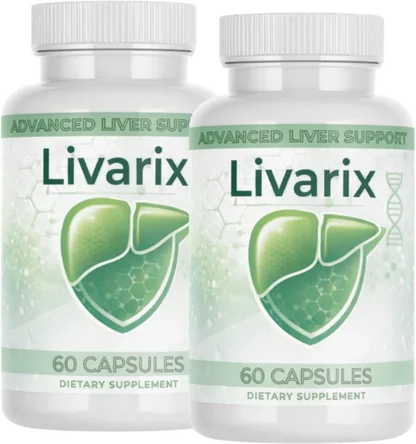
Livarix Capsules side effects have not been documented for the product itself in any source we hold, so this page works from the eight listed ingredients instead. Public health sources describe side effects for each herb, and most of them are stomach-related: nausea, gas, bloating, heartburn or loose stools.
A few effects deserve more attention than a sore stomach, and we set those out clearly, including the signs that mean stop and call a doctor. We are an independent information site, not the maker. Nothing here is a diagnosis; if something feels wrong, your doctor or pharmacist is the right first call.
What are the Livarix Capsules side effects?
No product-level side effect data exists in any source we have seen, so the honest answer is per ingredient. Across the eight listed herbs, sources mainly describe digestive effects and, for some herbs, allergic reactions.
The amounts matter too. The seller lists 780 mg of ingredients but does not say whether that is per capsule or per two-capsule serving 1, so two capsules a day could mean 780 mg or 1,560 mg. Our dosage page shows both cases. Higher totals are worth mentioning to your pharmacist if you are prone to stomach trouble. The same applies if you have a sensitive stomach after other herbal products.
The table in the next section lists what each source says. These are effects reported for the herb in general, not effects anyone has measured for this formula.
Side effects by ingredient
Here is what public sources list for each ingredient, in the order the seller lists them. Citations follow the table.
| Listed ingredient | Listed amount | Side effects sources list | Source |
|---|---|---|---|
| Turmeric powder | 300 mg | Nausea, vomiting, acid reflux, stomach upset, diarrhea, constipation | NCCIH |
| Beet root powder | 200 mg | Rare: stomach cramping, diarrhea, pink urine and stools, allergic reactions | Beet root study protocol |
| Dandelion powder | 100 mg | Possible allergic reactions | NCCIH |
| Artichoke extract | 50 mg | Allergy in people sensitive to daisy-family plants is listed as a contraindication | Artichoke clinical overview |
| Ginger powder | 50 mg | Abdominal discomfort, heartburn, diarrhea, mouth and throat irritation | NCCIH |
| Milk thistle powder | 50 mg | Bloating, nausea, gas; allergic reactions, especially with ragweed-family allergy | NCCIH |
| Alfalfa powder | 20 mg | More frequent bowel movements, loose stools, abdominal discomfort, gas | Memorial Sloan Kettering |
| L-Cysteine HCl | 10 mg | Not enough reliable information on larger amounts | Natural Medicines via WebMD |
Sources: NCCIH on turmeric 2, milk thistle 3, ginger 4 and dandelion; Memorial Sloan Kettering on alfalfa 5; a ClinicalTrials.gov study protocol on beet root 6; and the Natural Medicines database on L-cysteine. Each ingredient has its own page, starting with turmeric and beet root.
Livarix Capsules stomach upset: which ingredients are involved?
Five of the eight listed ingredients have digestive side effects in public sources: turmeric, milk thistle, ginger, alfalfa and beet root. That makes stomach upset the most likely type of complaint, though no one has measured how often it happens with this product.
- Nausea: turmeric, milk thistle.
- Gas and bloating: milk thistle, alfalfa.
- Heartburn or acid reflux: ginger, turmeric.
- Loose stools or diarrhea: turmeric, ginger, alfalfa, beet root.
- Cramping or abdominal discomfort: beet root, ginger, alfalfa.
The seller's directions say to take the capsules with food and a glass of water. If a Livarix Capsules stomach upset pattern develops anyway, ask a pharmacist before changing how you take it, and remember that nausea is also one of the liver warning signs below.
Pink urine or stools
Beet root can turn urine and stools pink. The beet root study protocol lists that coloring among its potential adverse effects, alongside cramping and diarrhea.
The formula lists 200 mg of beet root powder, possibly twice over depending on the serving basis. Red or dark urine can have other causes, and dark urine is on the liver warning list. If you are not sure whether a color change comes from beet root, call your doctor rather than wait.
Allergic reactions
Milk thistle, artichoke and dandelion are all linked by sources to allergic reactions, mostly in people sensitive to the daisy or ragweed family. Beet root's protocol also lists allergic reactions as a rare effect.
NCCIH says milk thistle may cause allergic reactions, especially in people allergic to that plant family. A clinical overview of artichoke lists daisy-family allergy as a contraindication. No allergen statement for this product has been seen, so other possible allergens are unknown.
Get emergency help for trouble breathing or swelling of the face, lips or throat. For milder reactions such as a rash, stop and call your doctor. If you know you have a ragweed allergy, our who should not take it page explains why to ask before the first capsule.
Signs that mean stop and call a doctor
Stop taking it and contact a health care provider straight away if you notice possible signs of liver trouble. NCCIH lists these for turmeric products: fatigue, nausea, poor appetite, dark urine, and yellow skin or eyes.
- Yellowing of the skin or the whites of the eyes.
- Dark urine that is not explained by beet root.
- Unusual tiredness.
- Nausea or loss of appetite that does not settle.
NIH LiverTox notes that many people with supplement-related liver injury have mild or no symptoms beyond raised liver enzymes, which only a blood test shows 7. It describes stopping all supplements and monitoring liver tests with a doctor when injury is suspected. More on this is on our safety page.
How well tolerated are the herbs, according to sources?
For several ingredients, the sources describe them as generally well tolerated, while for others they say too little is known. Both points belong in a fair picture.
- Milk thistle: NCCIH says it appears to be well tolerated when taken by mouth.
- Ginger: NCCIH says oral ginger supplements have been used safely in many studies.
- Turmeric: NCCIH says it is likely safe at recommended amounts for up to 2 to 3 months.
- Dandelion: NCCIH says food amounts are likely safe and less is known about larger amounts.
- L-cysteine: there is not enough reliable information about safety in larger amounts taken as medicine 8.
None of these statements is about this formula, which combines eight ingredients in amounts no source has studied together. They tell you about each herb, not about Livarix Capsules side effects as a whole.
Livarix Capsules side effects reported by users
We have found no public, checkable record of side effects reported for this specific product. That is an absence of data, not evidence that there are none.
The sales page shows testimonials and a review count we could not check, and they are not a side effect record. Many third-party pages about Livarix claim "no side effects", and those pages are not the seller and cite no data. Our reviews page explains how we handle seller-supplied stories.
If you have a side effect, your report is the kind of record that is missing. The next section explains where to send it.
What to do if you notice a side effect
Match your response to how serious the effect is. Liver signs and allergic reactions come first; mild stomach effects can usually wait for a pharmacist's call.
- Liver warning signs or a serious reaction: stop, and contact a doctor or emergency care.
- Mild stomach upset: call a pharmacist and ask whether to pause, change timing or stop.
- Anything new while on other medicines: tell the prescriber; see our medications page.
Write down the lot number, how many capsules you took and when the effect started. You can report a problem to the FDA through its Safety Reporting Portal or at 1-800-FDA-1088 9. Tell the order desk at +1 (302) 200-3480 too, quoting your order ID.
Could it be something other than the capsules?
Sometimes the cause is an overlap or an unlisted ingredient rather than one herb. Three possibilities are worth raising with your pharmacist.
First, you may be taking the same herb twice, for example a separate turmeric or ginger product. Second, the serving basis may mean you take twice the listed amounts. Third, the other ingredients, such as the capsule shell and fillers, are not listed anywhere we have seen, so they cannot be ruled in or out. MedlinePlus notes that herbal product labels may not list the correct amounts 10, which is another reason to keep the bottle and its lot number.
An effect that starts the week you begin may still have another cause, such as a new medicine, a change in diet or an ordinary stomach bug. A short diary makes the picture clearer for your doctor: the date, how many capsules you took, what you ate, any other supplements, and what you noticed. Bring it, with the bottle, to the appointment or the pharmacy counter.
Frequently asked questions
Can Livarix Capsules cause diarrhea?
Public sources list diarrhea or loose stools for four of the listed ingredients: turmeric, ginger, alfalfa and beet root. No product-level data exists, so ask a pharmacist if it happens, and stop and call a doctor if it comes with liver warning signs.
Can Livarix Capsules cause gas or bloating?
It may. NCCIH lists bloating and gas for milk thistle, and Memorial Sloan Kettering lists gas for alfalfa. No product-level data exists; if it bothers you, ask a pharmacist.
Are Livarix Capsules side effects listed on the bottle?
We cannot say, because we have not seen the back label. Read the back panel when your bottle arrives; the side effects on this page come from public sources about each ingredient, not from the label.
Do Livarix Capsules side effects depend on the serving size?
They may, because the amount you take depends on it. The listed amounts could be per capsule or per two-capsule serving, which means 780 mg or 1,560 mg a day; check the serving size on your bottle.
Should I stop Livarix Capsules if I feel sick to my stomach?
Nausea alone is listed as a side effect for turmeric and milk thistle, but it is also a liver warning sign. Call a pharmacist or doctor; stop straight away if it comes with dark urine, yellow skin or eyes, or unusual tiredness.
Sources for this page
- Livarix seller sales page with ingredient list, kits, prices and guarantee wording, read on Nov 25, 2026
- NCCIH: Turmeric: Usefulness and Safety
- NCCIH: Milk Thistle: Usefulness and Safety
- NCCIH: Ginger: Usefulness and Safety
- Memorial Sloan Kettering Cancer Center, About Herbs: Alfalfa
- ClinicalTrials.gov protocol NCT02058849: adverse-event list for concentrated beet root
- NIH LiverTox: Herbal and Dietary Supplements
- WebMD (Natural Medicines): L-Cysteine overview, side effects and safety
- NIH Office of Dietary Supplements: Dietary Supplements: What You Need to Know
- MedlinePlus: A guide to herbal remedies
Label words come from photos of the Livarix bottle front. Ingredient amounts come from the seller sales page and owner pack; prices and guarantee wording from the sales page as read on Nov 25, 2026. Confirm them on your bottle and at checkout. Where sources differ, the printed label wins.