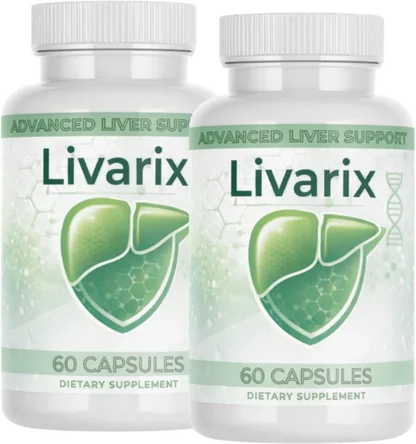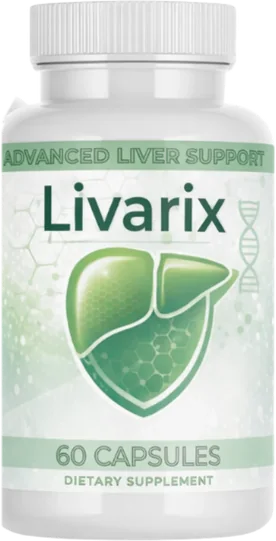
Livarix Capsules beet root is 200 mg of beet root powder, the second-largest of the eight listed amounts after turmeric at 300 mg 4. It is listed as a plain powder, with no extract ratio or standardization.
The public information on beet root is mostly about side effects rather than benefits, and that is what this page covers: the adverse-event list in a ClinicalTrials.gov study protocol, pink urine and stools, the oxalate caution for people with kidney stones or gallbladder problems, and who should ask first. It makes no liver claim and no claim about what the capsules do.
How much beet root is in Livarix Capsules?
The seller lists 200 mg of beet root powder. The sales page and the owner pack agree on the amount.
That is about a quarter of the 780 mg total, by our arithmetic, and together with turmeric it makes up 500 mg of the listed weight. In other words, beet root is one of the two main ingredients by weight, even though seller copy says far less about it than about milk thistle or turmeric.
The serving basis is not stated. If the amounts are per two-capsule serving, each capsule holds 100 mg of beet root and the day's total is 200 mg. If they are per capsule, the day's total at two capsules is 400 mg. Our Supplement Facts page explains how to read the serving size.
Livarix Capsules beetroot powder: what does the trial protocol list?
A ClinicalTrials.gov study protocol for a concentrated beet root supplement lists the potential adverse effects as rare. It names four.
| Effect | How the protocol describes it | What to do |
|---|---|---|
| Stomach cramping | Rare potential adverse effect | Stop and ask your doctor if it continues |
| Diarrhea | Rare potential adverse effect | Stop and ask your doctor if it continues |
| Pink coloring of urine and stools | Potential effect | Mention it to your doctor if you are unsure of the cause |
| Allergic reactions | Rare potential adverse effect | Stop and seek medical help |
The list comes from the protocol 1. It describes a concentrated beet root product used in that study, not this formula, and the guidance in the right-hand column is ours, not the protocol's.
Why can beet root turn urine or stools pink?
Pink coloring of urine and stools is a listed effect of beet root itself. It is not a sign that the capsules are doing anything, and it is not a sign of anything about your liver.
The protocol names it among the potential effects of a beet root supplement 1. Seeing it would tell you only that you have taken beet root, nothing more.
Do not assume, though, that every color change comes from beets. If you see red or pink urine or stools and are not sure why, or if it appears with pain or other symptoms, call your doctor. Mention every product you have taken, including the capsules, and roughly when you started each one.
The same goes for the stomach effects in the table. A short note of the date you started, how many capsules you took and what you noticed is more useful to a doctor than a memory of it a week later.
What is the oxalate caution?
Beet root contains oxalate, and the protocol advises caution for people with a history of kidney stones or gallbladder problems. NCCIH makes a related point about beets.
The protocol links the caution directly to beet root's oxalate content 1. NCCIH's page on "detoxes" and "cleanses" notes that juices made from high-oxalate foods such as beets may pose a threat to people prone to kidney stones 2. That page is about juice cleanses, not capsules, but the underlying concern is the same food component.
We cannot say how much oxalate 200 mg of this powder contains; no figure is listed. That is one more reason to ask a doctor first if stones have been a problem for you.
If your doctor has already given you advice on oxalate in food, take the bottle along and ask how the capsules fit with it. A doctor who knows your stone history can judge this; a seller page cannot.
Who should ask before taking beet root 200 mg?
People with a history of kidney stones or gallbladder problems should ask a doctor first. So should anyone with a known reaction to beets.
- A history of kidney stones, because of the oxalate content.
- Gallbladder problems or gallstones; the formula's artichoke line carries its own gallstone caution.
- Any past allergic reaction to beets or beet products.
- Anyone pregnant or breastfeeding, since other listed ingredients carry pregnancy cautions.
- Anyone on regular medicines or with a liver condition or abnormal liver tests.
Our gallbladder page and who should ask first page cover these groups for the whole formula.
Does beet root carry medicine cautions?
The beet root protocol we cite does not list medicine interactions, and none of our other sources names one for beet root. That is not the same as saying there are none.
Other lines in the same capsule do carry medicine flags. NCCIH says dandelion might theoretically interact with diabetes medicines, blood thinners, antiplatelet drugs and water pills 3, and it advises talking to a provider about turmeric, ginger and milk thistle if you take medicine. So the capsule as a whole needs a pharmacist's look even if beet root alone raises no flag in our sources.
Our medicines page lists every flagged ingredient in one table.
Is beet root in this formula for the liver?
We cannot say why the seller chose beet root, and none of the public sources we cite links it to a liver outcome. This site makes no liver claim for it.
The sales page markets the formula as a whole for liver function, "detoxification", bile flow and "metabolic balance" 4. Those are seller words. The beet root source we cite is an adverse-event list, which tells you what to watch for, not what the ingredient does for anyone.
If you have been told your liver tests are abnormal, start with your doctor, not a supplement. Our liver tests page explains why this site never connects the capsules to a test value.
What a study protocol can and cannot tell you
A study protocol is the plan for a clinical study, written before or during it. It shows what the researchers expected to watch for, not what the product proved.
The beet root protocol we cite lists potential adverse effects, the things a study team plans to watch for. That is why we use it here, and only for that. We do not use it as evidence that beet root does anything, and it was about a concentrated beet root product, not Livarix Capsules.
Supplements in general are not approved by the FDA before sale, and makers are responsible for their own safety and labels 5. A protocol from a separate study does not change that picture for any particular product.
How does beet root interact with the rest of the formula?
No interaction between beet root and the other listed ingredients is described in the sources we cite. The practical issue is overlap in side effects and cautions.
Stomach effects appear in the sources for several listed ingredients: cramping and diarrhea for beet root, digestive upset for turmeric 6, and abdominal discomfort, heartburn and diarrhea for ginger 7. If your stomach is upset after starting the capsules, it may be impossible to say which line is responsible. Stop and talk to your doctor rather than trying to work it out alone.
The gallbladder caution overlaps too, with artichoke. Our side effects page brings the lists together.
What to check on your bottle
Check the serving size, the beet root line and the other ingredients. Those three answer the main open questions on this page.
- Serving size: is the 200 mg per capsule or per two capsules?
- The beet root line: is it listed as powder, as the seller says?
- Other ingredients: shell, fillers and any allergen statement.
- Lot number and best-before date on the base, if the bottle shows them.
If anything differs from the seller list, the owner pack says the printed panel wins 8. The order desk at +1 (302) 200-3480 can match your lot. For every listed item in one place, see the full ingredient list.
Frequently asked questions
Does pink urine on Livarix Capsules say anything about my liver?
No. A beet root trial protocol lists pink urine and stools as a potential effect of beet root itself. It is not a sign about your liver or the capsules; if you are unsure of the cause, ask your doctor.
How much oxalate is in Livarix Capsules beet root?
Unknown. No oxalate figure is listed. The beet root protocol advises caution for people with a history of kidney stones because of oxalate, so ask your doctor first if stones have been a problem.
Is the beet root in Livarix Capsules an extract?
No extract is indicated. The seller lists beet root powder, 200 mg, with no ratio or standardization. The only extract in the formula is artichoke.
What share of Livarix Capsules is beet root?
About a quarter of the listed weight: 200 mg of 780 mg, by our arithmetic. Only turmeric, at 300 mg, is listed in a larger amount.
Does Livarix Capsules beet root have any liver research behind it?
None of the public sources we cite links beet root to a liver outcome, and this site makes no liver claim for it. The source we use for beet root is an adverse-event list in a trial protocol.
Is beet root 200 mg in Livarix Capsules per capsule?
Unknown. The 200 mg could be per capsule or per two-capsule serving, so the daily total could be 200 mg or 400 mg. The serving size on the Supplement Facts panel settles it.
Sources for this page
- ClinicalTrials.gov protocol NCT02058849: adverse-event list for concentrated beet root
- NCCIH: "Detoxes" and "Cleanses": What You Need To Know
- NCCIH: Dandelion: Usefulness and Safety
- Livarix seller sales page with ingredient list, kits, prices and guarantee wording, read on Nov 25, 2026
- FDA: Questions and Answers on Dietary Supplements
- NCCIH: Turmeric: Usefulness and Safety
- NCCIH: Ginger: Usefulness and Safety
- Livarix owner pack (contacts, returns, refund steps, product summary)
Label words come from photos of the Livarix bottle front. Ingredient amounts come from the seller sales page and owner pack; prices and guarantee wording from the sales page as read on Nov 25, 2026. Confirm them on your bottle and at checkout. Where sources differ, the printed label wins.