Livarix Capsules fatty liver questions have a short answer: Livarix Capsules is a dietary supplement that is not intended to diagnose, treat, cure or prevent fatty liver or any other disease. The seller's own sales page says it does not claim to treat or cure 13.
This page is for readers who already have a diagnosis, a worrying scan or an abnormal blood test. It sets out what public health sources say about fatty liver, what trials of two listed ingredients found, and why supplements can themselves be a cause of liver injury. Every decision here belongs with the doctor who knows your liver, so the page ends with what to bring to that appointment.
Is Livarix Capsules meant for fatty liver or liver disease?
No. Livarix Capsules is sold as a general dietary supplement, and nothing we have seen presents it as a product for any liver disease.
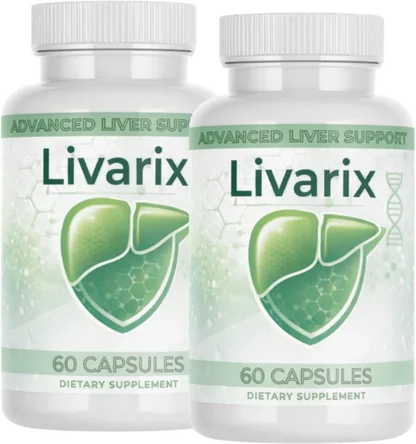
The bottle front carries the marketing line "Advanced Liver Support" 1, and our front label page explains what that phrase can and cannot mean. The sales page uses words such as "detoxification", bile flow and "metabolic balance". Those are the seller's words, not findings, and not ours.
FDA does not approve supplements before they are sold, and the maker is responsible for its own label 2. So a Livarix Capsules liver disease question is really a question for your doctor, not for a label or an ad.
What is fatty liver, according to NIDDK?
NIDDK describes fatty liver (NAFLD, also called MASLD) as fat building up in the liver, often with few or no symptoms 3. That is why a diagnosis usually rests on tests rather than on how you feel.
NIDDK lists obesity, metabolic syndrome and type 2 diabetes among the things that raise the risk. Doctors diagnose it with a medical history, a physical exam, blood tests, imaging and sometimes a biopsy.
NIDDK says weight loss is the main recommendation, and that a healthy diet and weight may help. Its page does not mention supplements at all. That silence matters: the federal page written for people with this diagnosis does not point to any capsule, herbal blend or single herb.
What do sources say about each listed ingredient and the liver?
For the eight listed ingredients, the public sources we use find the evidence on liver conditions inconclusive, lacking or absent. The table sums it up in plain words, with amounts from the sales page.
| Ingredient (listed amount) | What the source says | Source |
|---|---|---|
| Turmeric powder (300 mg) | Not enough evidence for any health purpose; early research on some fatty liver measures, unclear which; liver damage reported with highly absorbable curcumin products | NCCIH 4 |
| Milk thistle powder (50 mg) | Evidence for liver conditions is inconclusive; two NCCIH-funded studies found no benefit from silymarin | NCCIH 5 |
| Dandelion leaf powder (100 mg) | Very little research; no compelling evidence for any health condition | NCCIH 6 |
| Artichoke extract (50 mg) | Clinical data are lacking to support artichoke for any indication | Clinical overview 7 |
| Ginger root powder (50 mg) | Studied mainly for nausea; NCCIH does not describe a liver use | NCCIH 8 |
| Beet root (200 mg), alfalfa (20 mg), L-cysteine HCl (10 mg) | The sources we use do not address liver conditions for these | See each ingredient page |
Amounts are as listed by the seller. Whether they are per capsule or per two-capsule serving is not stated, which our Supplement Facts page covers.
What did the milk thistle and turmeric trials find?
The trials were mixed at best. NCCIH says milk thistle studies in alcohol-related liver disease, hepatitis B and C, fatty liver disease and toxin-related liver damage had conflicting results or were too limited.
Two NCCIH-funded studies, one in hepatitis C and one in a progressive form of fatty liver disease, found no benefit from silymarin, the main group of compounds in milk thistle. NCCIH also notes that product quality varies, with silymarin amounts that differ from the label.
For turmeric, NCCIH says early research suggests oral turmeric or curcumin might change some fatty liver measures, but it is unclear which ones. Early research is not a recommendation.
Even those studies cannot be mapped onto this bottle. Livarix Capsules lists milk thistle as a powder with no silymarin percentage, and turmeric as a powder with no curcumin percentage. You can read more on our milk thistle and turmeric pages.
Can supplements themselves cause liver injury?
Yes. NIH LiverTox reports that herbal and dietary supplements were implicated in about 10% of drug-induced liver injury cases in a U.S. network, most recently more than 16%, and the share appears to be rising 9.
LiverTox adds three points that apply to any multi-ingredient product:
- Most supplements are complex mixtures, so it is hard to tell which ingredient caused an injury.
- Contamination, unlabeled ingredients and mislabeling have been reported.
- Many people have mild or no symptoms, and the only sign is raised liver enzymes on a blood test, as LiverTox describes.
NCCIH lists warning signs reported with turmeric products: fatigue, nausea, poor appetite, dark urine, and yellow skin or eyes. If you notice any of them, stop the supplement and contact a health care provider. People who already have a liver condition have less room for that kind of surprise.
Who must ask a doctor before taking Livarix Capsules?
Anyone with a liver condition must ask their doctor first, and so must several other groups. This list comes from the cautions in the sources above.
- People with fatty liver, hepatitis, cirrhosis or any other diagnosed liver condition
- Anyone with abnormal liver tests, even without a diagnosis
- People with gallstones or another gallbladder condition (see our gallbladder page)
- Anyone on regular medicines, especially blood thinners, diabetes medicines and water pills
- Pregnant or breastfeeding women
- People with lupus, a hormone-sensitive cancer or a history of kidney stones
- Anyone allergic to daisy-family plants such as ragweed
Our who should ask first page explains each group, and the medicines page covers interactions sources flag.
What should you bring to the appointment?
Bring the bottle itself, because the printed panel is the only reliable list of what is inside. The owner pack says the bottle panel wins over any list online 10.
- The bottle, with its Supplement Facts panel, lot number and best-before date if printed.
- A note that the listed amounts total 780 mg and may be per capsule or per two capsules.
- Every other supplement, herbal tea and over-the-counter product you take.
- Your most recent liver test reports and scan reports, so the doctor can compare later tests.
- The question you want answered, such as whether to wait until your next test.
NIH's Office of Dietary Supplements advises telling your providers about every supplement you use 11. Our liver tests page covers timing questions around blood work.
What does the sales page say about fatty liver?
The sales page links one ingredient to fatty liver: it says ginger helps protect against "non-alcoholic fatty liver disease". NCCIH's ginger page does not say that; it describes ginger research mainly for nausea 8.
The same page shows testimonials, and some describe liver test or scan changes. They are anecdotes we could not check, so we do not repeat them; our reviews page explains how to read them. A story about one person's scan cannot tell you why it changed, or whether the same thing would happen to you.
So when you see Livarix Capsules fatty liver wording in an ad, read it as marketing. No Livarix Capsules fatty liver claim we have seen is backed by a published study of this formula, and the sales page itself says it does not claim to treat or cure.
Why we do not suggest Livarix Capsules for liver problems
We do not suggest Livarix Capsules for liver problems because no study of the finished formula exists that we could find, and the ingredient evidence is weak. That is our editorial position, set out on the editorial policy page.
The FTC says health claims in ads need competent and reliable scientific evidence 12. The sales page makes strong statements about curcumin, silymarin and ginger that the public sources above do not back. Our evidence review compares them line by line.
If you have a liver condition, the plan your doctor gives you comes first. A supplement is, at most, something to raise at that visit, never a reason to delay one.
Frequently asked questions
Can I take Livarix Capsules if I have been told I have fatty liver?
Ask the doctor managing your liver first; do not start it on your own. NIDDK's guidance for fatty liver centers on weight loss, diet and follow-up, and does not mention supplements. Turmeric, the largest listed ingredient, has reports of liver damage with some highly absorbable turmeric products, so your doctor should weigh it against your own test history.
Does Livarix Capsules take the place of seeing a liver specialist?
No. It is a dietary supplement, not a diagnosis or a plan of care, and the sales page itself says it does not claim to treat or cure. Keep every appointment and test your doctor has set, and mention the bottle at the next visit.
Has Livarix Capsules been studied in people with hepatitis or cirrhosis?
Not that we could find. We found no published study of the finished Livarix formula in anyone. NCCIH says milk thistle trials in hepatitis B and C had conflicting or limited results, and those trials used products that may differ from the plain milk thistle powder listed here.
Should I stop Livarix Capsules if my skin or eyes turn yellow?
Yes, stop and contact a health care provider promptly. NCCIH lists yellow skin or eyes, dark urine, fatigue, nausea and poor appetite as warning signs reported with turmeric products. LiverTox advises stopping all supplements when liver injury is suspected and checking liver tests with a doctor.
Is Livarix Capsules a good fit alongside prescribed liver disease medicines?
Only your prescriber or pharmacist can judge that. Bring the bottle so they can read the full panel. NCCIH flags possible interactions for dandelion with diabetes medicines, blood thinners and water pills, and advises talking to a provider about turmeric, ginger and milk thistle if you take any medicine.
Sources for this page
- Livarix bottle front label (product photos in the owner pack)
- FDA: Questions and Answers on Dietary Supplements
- NIDDK: Nonalcoholic Fatty Liver Disease (NAFLD) and NASH
- NCCIH: Turmeric: Usefulness and Safety
- NCCIH: Milk Thistle: Usefulness and Safety
- NCCIH: Dandelion: Usefulness and Safety
- Drugs.com natural products: Artichoke (clinical overview)
- NCCIH: Ginger: Usefulness and Safety
- NIH LiverTox: Herbal and Dietary Supplements
- Livarix owner pack (contacts, returns, refund steps, product summary)
- NIH Office of Dietary Supplements: Dietary Supplements: What You Need to Know
- FTC: Health Products Compliance Guidance
- Livarix seller sales page with ingredient list, kits, prices and guarantee wording, read on Nov 25, 2026
Label words come from photos of the Livarix bottle front. Ingredient amounts come from the seller sales page and owner pack; prices and guarantee wording from the sales page as read on Nov 25, 2026. Confirm them on your bottle and at checkout. Where sources differ, the printed label wins.