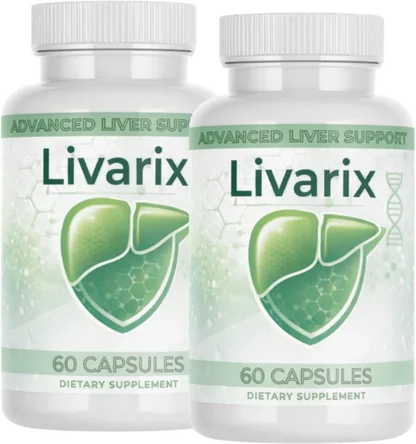
Mismatched ingredient photos in ads are pictures of plants, roots or powders that do not match the ingredient list printed beside them. On the Livarix Capsules materials we reviewed, several photographed plants are not in the eight-item formula, and the dandelion photo shows dried roots while the formula lists leaf.
A photo is decoration, not a label, so the mismatch is not proof of anything by itself. It is still a fair reason to slow down. This post shows how to compare a picture with a list, what the rules say about ad accuracy, and what to ask the seller.
What counts as a mismatched ingredient photo?
A photo is mismatched when the plant shown is not on the ingredient list, or shows a different part of the plant than the list names. Both cases appear on the Livarix sales page and in the owner pack, according to our review of Nov 25, 2026.
The Livarix list holds eight ingredients: turmeric root, beet root, dandelion leaf, artichoke extract, ginger root, milk thistle, alfalfa leaf and L-cysteine HCl. The pictures include plants outside that list, and some sales-page captions name a plant that does not match the ingredient beside it.
We do not use those photos on this site, and we show only bottle photos, because a picture we cannot match to the formula would only repeat the problem. Our ingredient photos page gives the full comparison.
Why does a photo mismatch matter?
Mismatched ingredient photos in ads matter because pictures shape what shoppers believe is inside, and the label is the only record of what is inside. FTC guidance says claims in health product ads need competent and reliable scientific evidence 1.
That guidance concerns claims, and an image can make a claim without words. A plant that is not in the bottle can suggest benefits that nobody has said out loud, and that is hard to check afterward, because nothing was written down. This is why we ask readers to compare the picture, the caption and the list as three separate items.
There is also a plain-reading problem. Leaf and root are different plant parts, and a source on one part does not describe the other. NCCIH, for example, discusses dandelion as a plant with very little research and no compelling evidence for any health condition 2. A photo of the wrong part tells you nothing about the capsule.
How to compare a photo with a label
Put the picture beside the Supplement Facts panel and check four things. Do this on your own bottle first, since the printed panel wins over any ad. If a photo and a panel disagree, believe the panel, and ask the seller to explain the photo.
| What you see | What to check | Who can answer |
|---|---|---|
| A plant not on the list | Is it named anywhere on the panel? | The seller's order desk |
| Root shown, leaf listed (or the other way round) | Which plant part does the panel name? | The order desk, then your pharmacist |
| A caption that names another plant | Does the caption match the ingredient next to it? | The seller, in writing |
| No panel in the ad | Where is the serving size and the amounts? | Your bottle, or the order desk |
FDA's labeling guide says a panel lists serving size, servings per container, amount per serving and other ingredients 3. We have seen no panel for Livarix Capsules, so the bottle is the place to look.
What can you ask the seller?
Ask short, factual questions and keep the replies. A seller with a real formula can answer each in a line, and a clear answer is a good sign, while a vague one tells you to keep looking. Save the date, the name of the person and your order ID with the reply.
- Which plant parts are in each capsule, as printed on the panel?
- Why do the ad photos show plants that are not in the formula?
- Can you send the certificate of analysis for my lot?
- What is the serving size on the panel: one capsule or two?
The owner pack lists the lot and certificate reference style, and the order desk can match an order by phone. Use +1 (302) 200-3480 or [email protected] and quote your order ID. If you have not ordered yet, the official checkout guide explains what the order page shows. Check the price at the official checkout
What mismatched photos do not prove
Mismatched ingredient photos in ads do not prove the capsules are poor or that the listed ingredients are absent. They show careless or misleading ad design, which is a separate matter from the contents of the bottle.
MedlinePlus notes that herbal products are not tested like medicines and that labels may not list correct amounts 4. That makes the printed panel and the lot paperwork more useful than any picture.
Weigh the photos with the rest of the evidence on our legit check, where we list what we could and could not verify. Then decide with your doctor or pharmacist, especially if you take regular medicines.
Frequently asked questions
Do the ingredient photos for Livarix Capsules match the formula?
Not fully. Several photographed plants are not in the eight-item list, and the dandelion photo shows roots while the formula lists leaf. The printed panel on your bottle wins over any photo.
Why does Livarix Capsules show plants that are not listed?
We do not know, and the seller has not explained it. Photos on a sales page are not a label, and the FTC expects health ad claims to be backed by evidence 1. Ask the order desk in writing.
How do I check what is in Livarix Capsules?
Read the Supplement Facts panel on your bottle, which should show serving size and amounts 3. The seller list names eight ingredients totaling 780 mg, but we have not seen a panel.
Sources for this page
- FTC: Health Products Compliance Guidance
- NCCIH: Dandelion: Usefulness and Safety
- FDA: Dietary Supplement Labeling Guide (Supplement Facts panel, serving size, ingredient listing)
- MedlinePlus: A guide to herbal remedies
Label words come from photos of the Livarix bottle front. Ingredient amounts come from the seller sales page and owner pack; prices and guarantee wording from the sales page as read on Nov 25, 2026. Confirm them on your bottle and at checkout. Where sources differ, the printed label wins.